

Would this work on my farm?
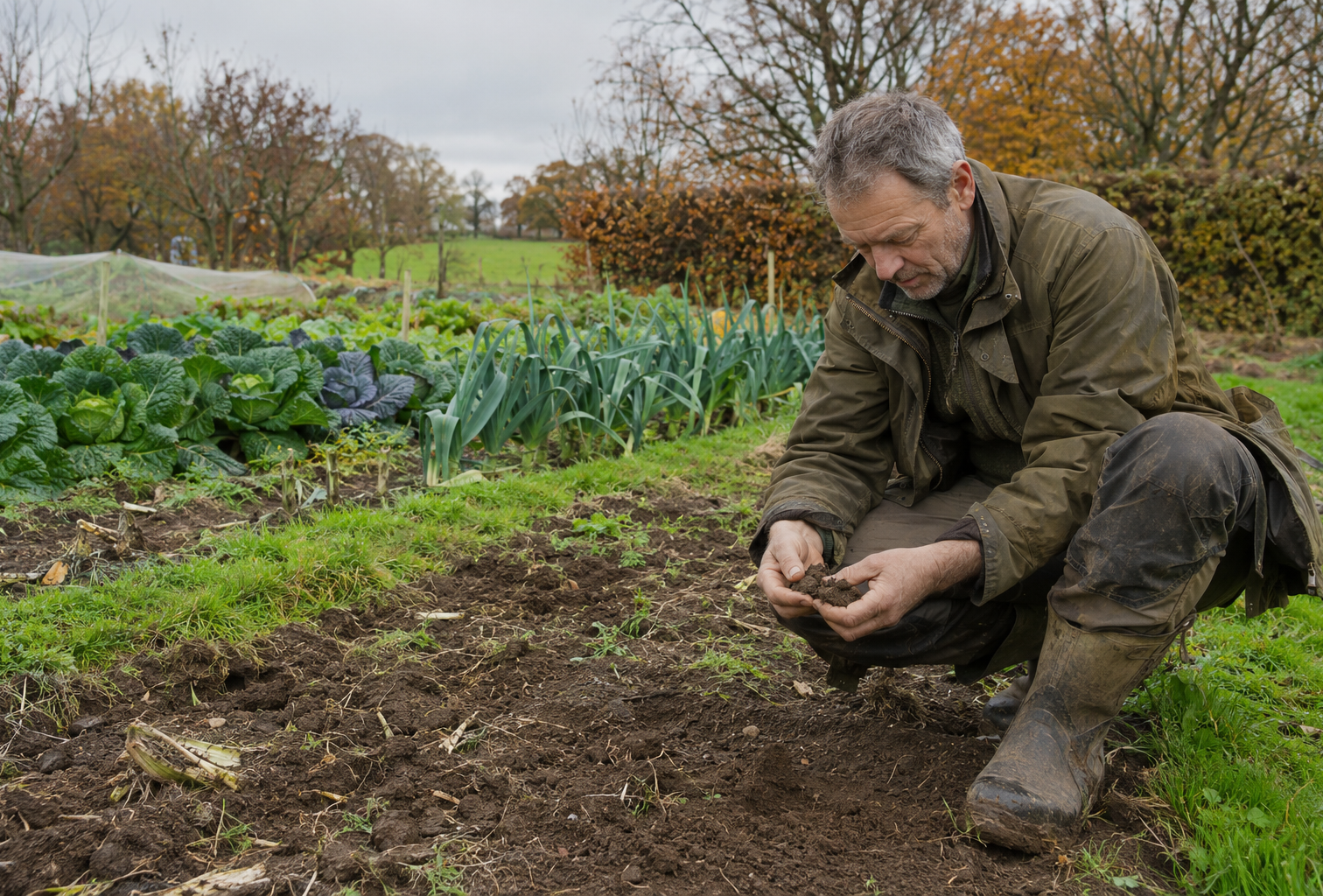
Imagine Peter, who grows vegetables on a small farm. After the autumn harvest, some of his soil lies bare until spring. He wants to protect it over winter.
He reads about cover crops: plants grown between harvests to cover and improve the soil. He finds an article about a grower who has had good results. Perhaps he could try the same thing.
But the grower lives somewhere warmer and sows several weeks before Peter finishes harvesting. Would those plants still have time to grow on his farm? And how would he clear them before planting his vegetables in spring?
Peter is fictional. His situation illustrates a real problem Crop-MATCHING is working to address: finding advice is only useful if you can work out whether it applies to you.
From a promising idea to a practical decision
A successful method on one farm is a useful starting point. To decide whether to try it, another farmer needs to understand the conditions behind that success.
For Peter, the important detail is when he can sow. A recommendation that overlooks his late harvest leaves him with an unanswered question — and a decision about buying seed.
Crop-MATCHING brings together research and farmers’ experience of sustainable growing methods. It is developing practical learning materials and opportunities for farmers, advisers and researchers to exchange knowledge. The aim is to make that knowledge easier for small farms to use.
That means explaining where a method has worked, what it involves and what might need to change elsewhere. Farmers need enough detail to recognise both an opportunity and a poor fit.
A clearer answer before buying seed
For Peter, useful guidance would help him work out which cover crop, if any, fits the weeks between his autumn harvest and spring planting. Talking it through with an adviser or a grower facing similar conditions could help him make that choice.
He could then decide whether to try it on part of his land, choose a different approach or leave it for another season.
That is the practical difference Crop-MATCHING aims to make: helping a farmer move from “that sounds promising” to “I understand what trying it would mean on my farm.”

Horizon Europe Research and Innovation Programme
Grant Agreement No. 101182980
Views and opinions expressed are those of the author(s) only and do not necessarily reflect those of the European Union or the European Research Executive Agency. Neither can be held responsible.