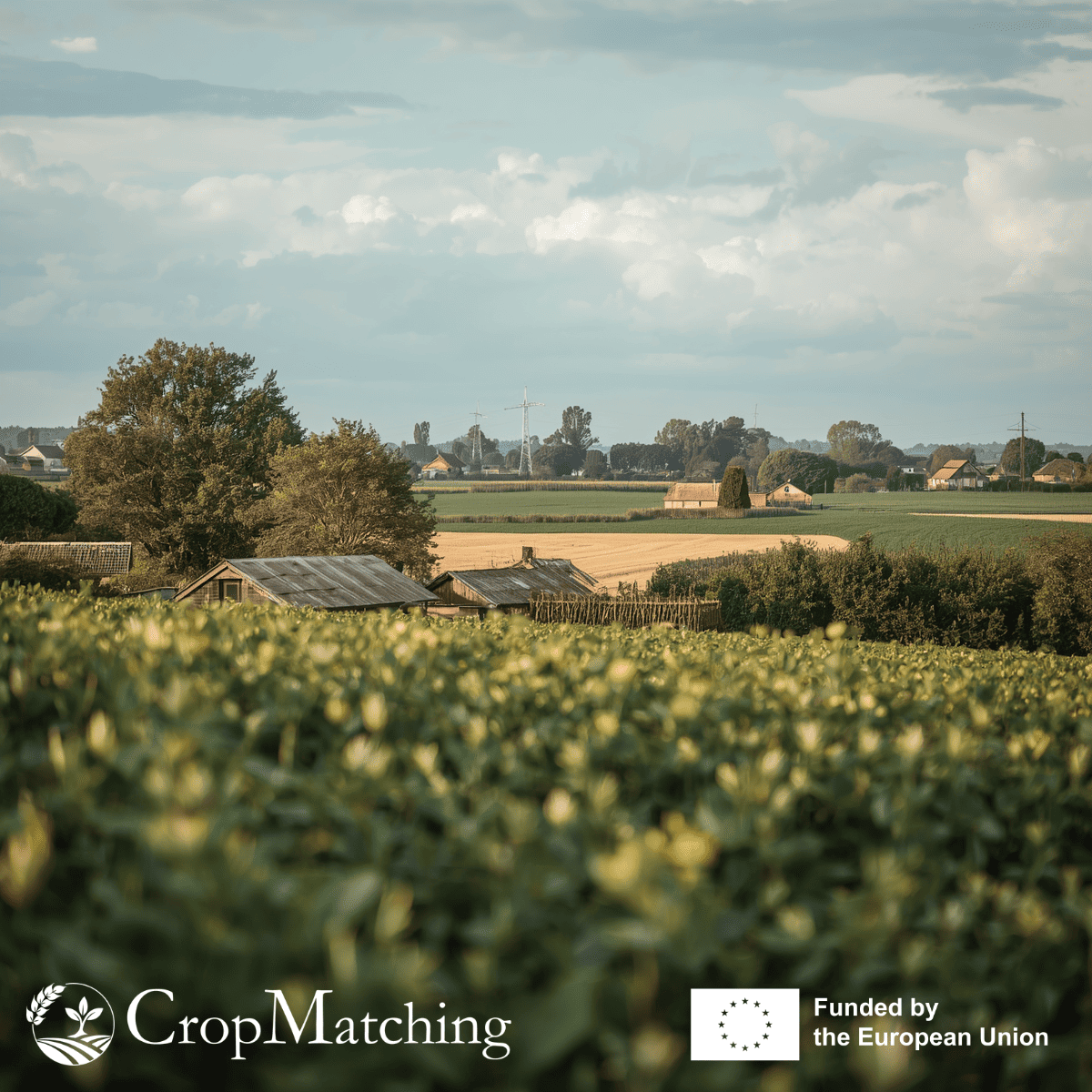
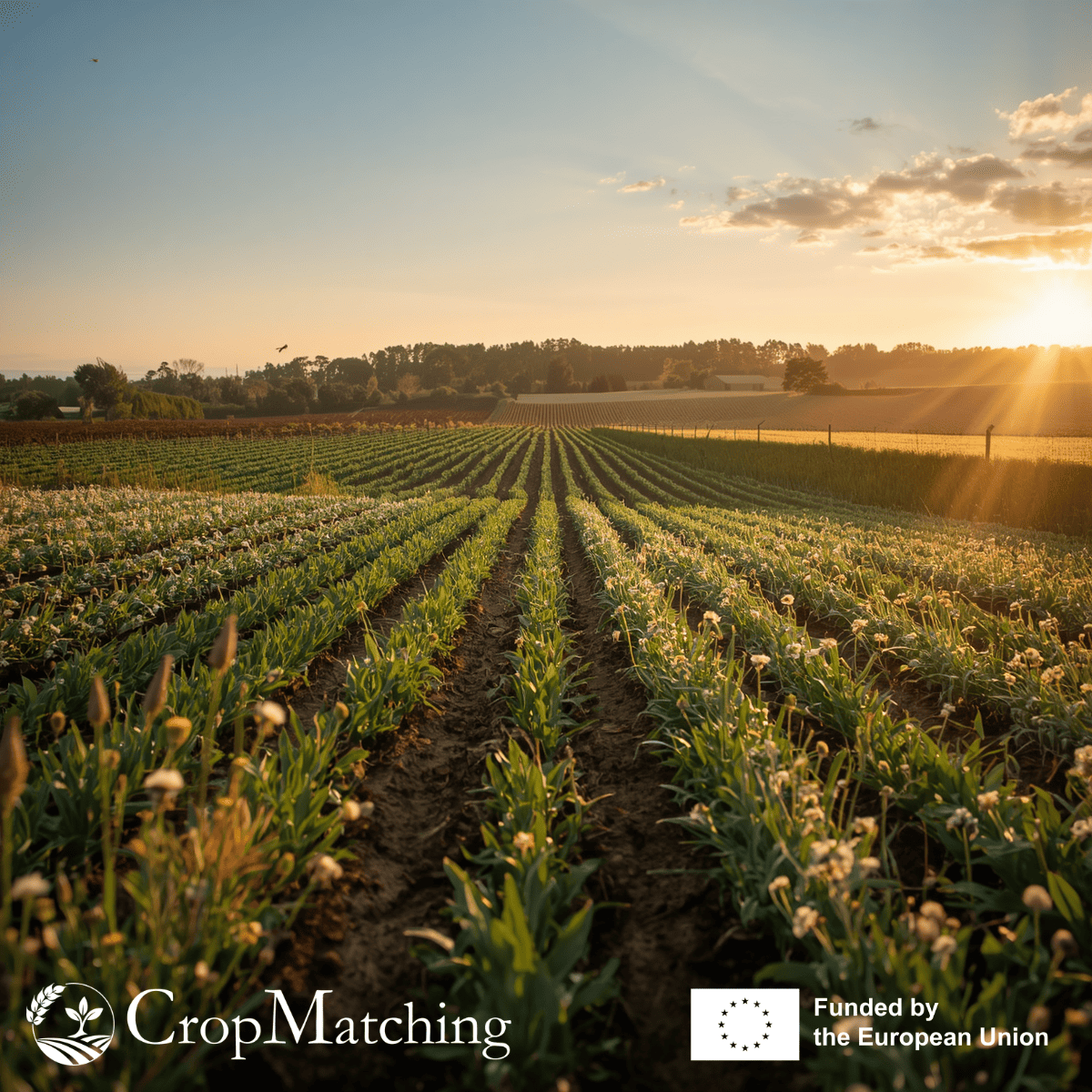
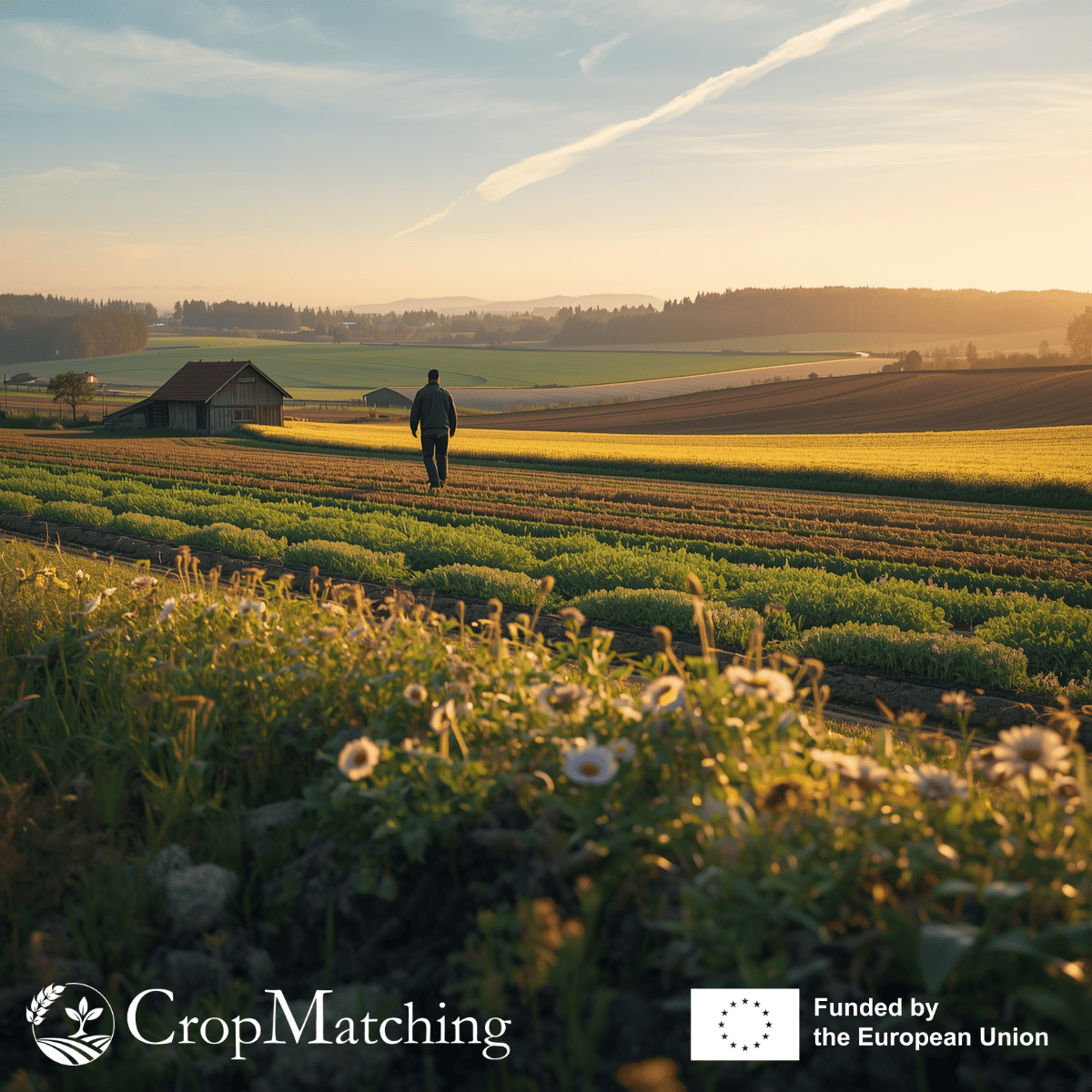
When we talk about the future of agriculture in Europe, discussions often focus on technology, innovation, and large-scale production. However, small farms still remain at the heart of many rural communities and continue to play an essential role in food production, environmental protection, and local economies.
In many regions, including north-eastern Poland where PFATC is based, small family farms are more than just businesses. They are part of local identity and tradition. They help preserve rural landscapes, support biodiversity, and maintain knowledge that has been passed from generation to generation. At the same time, these farmers are increasingly facing difficult challenges — unpredictable weather conditions, rising production costs, soil degradation, and growing pressure to remain economically competitive.
Because of this, supporting small-scale farmers with practical and realistic solutions has never been more important.
This is one of the reasons why the Horizon Europe project Crop-MATCHING is so valuable. The project focuses on identifying and promoting sustainable cropping practices that can genuinely help farmers in their everyday work. Rather than offering purely theoretical recommendations, Crop-MATCHING aims to collect useful experiences, practical methods, and successful approaches from across Europe and make them easier to access and apply.
At The Polish Farm Advisory and Training Centre, we work closely with farmers and rural communities on a daily basis. One thing we see very clearly is that farmers are open to innovation when it responds to real needs and local realities. Sustainability in agriculture cannot rely only on ambitious strategies or policies — it must also work in practice, in the field, and within the financial possibilities of small farms.
Simple changes in cropping systems can already make a significant difference. Crop rotation, mixed cultivation, better soil management, and more diversified farming approaches can help improve soil health, reduce dependency on external inputs, and increase resilience to climate change. These are not entirely new ideas, but today they are becoming increasingly important again.
Healthy soil, in particular, is one of the foundations of sustainable farming. Farmers across Europe are already observing how extreme weather events, droughts, and changing seasonal patterns affect productivity. Sustainable cropping practices can help farms become more resilient while also protecting natural resources for future generations.
Another important issue is access to knowledge. Many small farmers do not always have easy access to research results, advisory services, or examples of successful practices from other countries. Projects like Crop-MATCHING can help bridge this gap by creating opportunities for knowledge exchange between researchers, advisors, and farmers themselves.
In our opinion, one of the greatest strengths of European cooperation projects is exactly this exchange of experiences. Agriculture may differ from country to country, but many of the challenges faced by small farmers are surprisingly similar. Sharing practical solutions and learning from each other can help rural communities adapt more effectively to current environmental and economic pressures.
At PFATC, we are proud to contribute to Crop-MATCHING and to bring the perspective of rural communities and small farms into the project. We believe that the future of sustainable agriculture depends not only on innovation, but also on cooperation, trust, and practical knowledge that farmers can truly use in their everyday work.
Supporting small farms means supporting biodiversity, rural communities, and the long-term sustainability of European agriculture.