

Axarquía Living Lab: advancing sustainable agriculture through reclaimed water
In a context defined by increasing water scarcity and the growing impacts of climate change, the Axarquía Living Lab, led by BIOAZUL, is emerging as a key initiative for the experimentation and validation of innovative solutions based on the use of reclaimed water in sustainable agriculture.
Located in Algarrobo Costa (Málaga, Spain), this living lab serves as an open platform for collaboration, bringing together research institutions, farmers, public authorities and private stakeholders to demonstrate the technical, environmental and socio-economic viability of water reuse.
Addressing water scarcity in the Axarquía region
The Axarquía region has been facing severe water stress for years, driven by prolonged droughts and steadily rising temperatures. In this context, reclaimed water represents a highly effective adaptation strategy.
It allows:
- Reusing water that would otherwise be discharged into the sea
- Reducing costs compared to alternatives such as desalination or water transfers
- Providing added value through its nutrient content, which benefits crop development
From research to real-scale validation
The origins of the initiative date back to 2016 with the RICHWATER project, where BIOAZUL worked on validating a membrane bioreactor (MBR) technology to produce high-quality reclaimed water suitable for agricultural irrigation.
This work led to the Environmental Technology Verification (ETV) certification, confirming that the technology already complied with the EU Regulation on water reuse, which came into force in 2023.
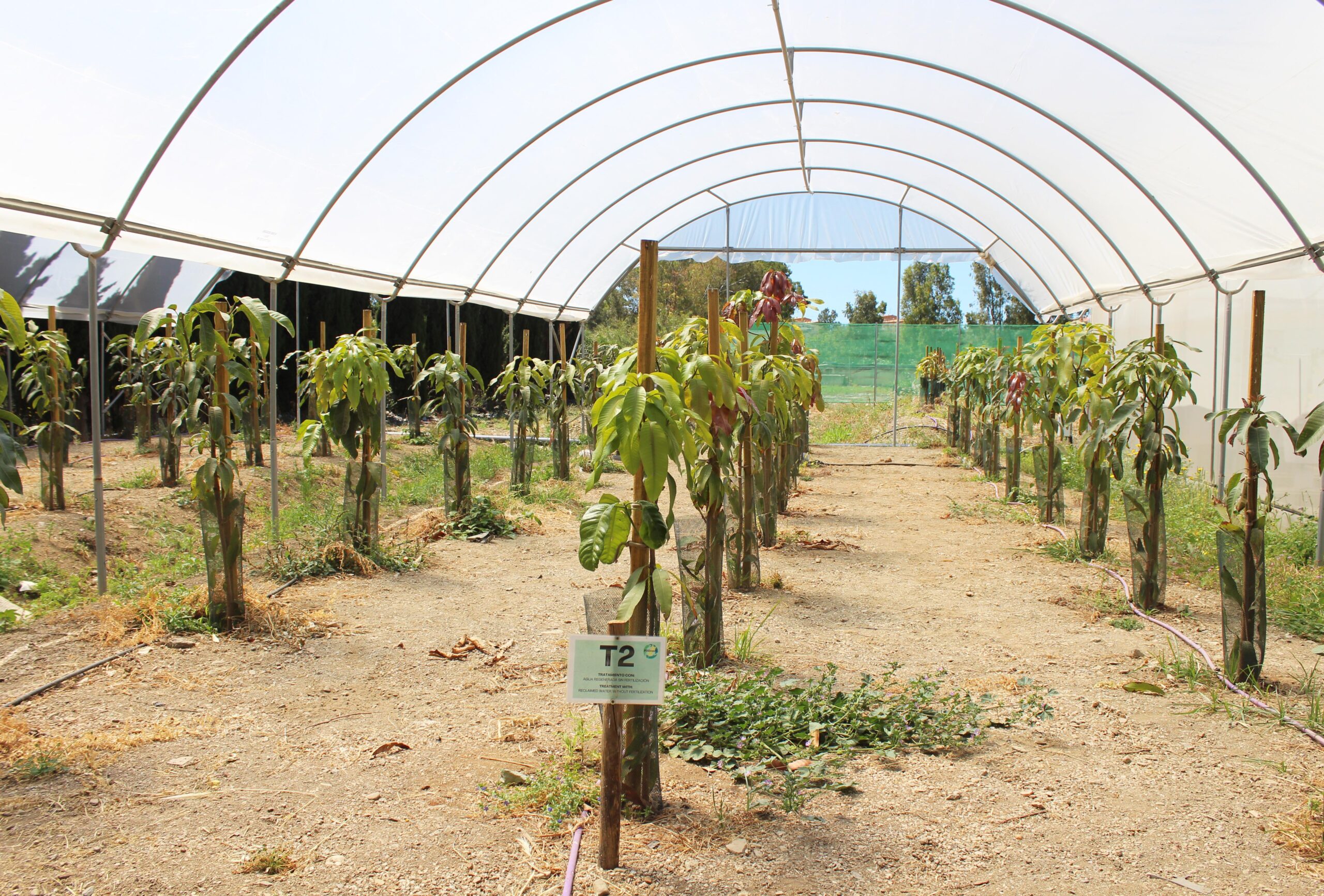
A key milestone in this journey has been the experimental plot located next to the Algarrobo wastewater treatment plant (WWTP). In collaboration with the IHSM La Mayora Institute, agronomic studies on tomato crops demonstrated that the use of reclaimed water:
- Does not negatively affect fruit quality
- Maintains crop productivity
A collaborative ecosystem at the local level
Thanks to the commitment of multiple local stakeholders — including the Algarrobo Town Hall, the Association of Municipalities of the Costa del Sol-Axarquía, the Algarrobo Irrigation Community, TROPS, AXARAGUA and the Spanish Association of Tropical Crops — this initiative has evolved into what is now known as the Axarquía Living Lab.
This collaborative model has gained European recognition, being included in the Living Labs Atlas of the European Water Platform, positioning it as a real-scale experimentation environment close to actual farming conditions.
Driving innovation through EU-funded projects
In recent years, the living lab has hosted and supported several innovation projects:
- BONEX: development of a decision-support tool to help farmers adjust fertiliser application based on the nutrient content of reclaimed water, minimising environmental risks linked to nutrient overuse.
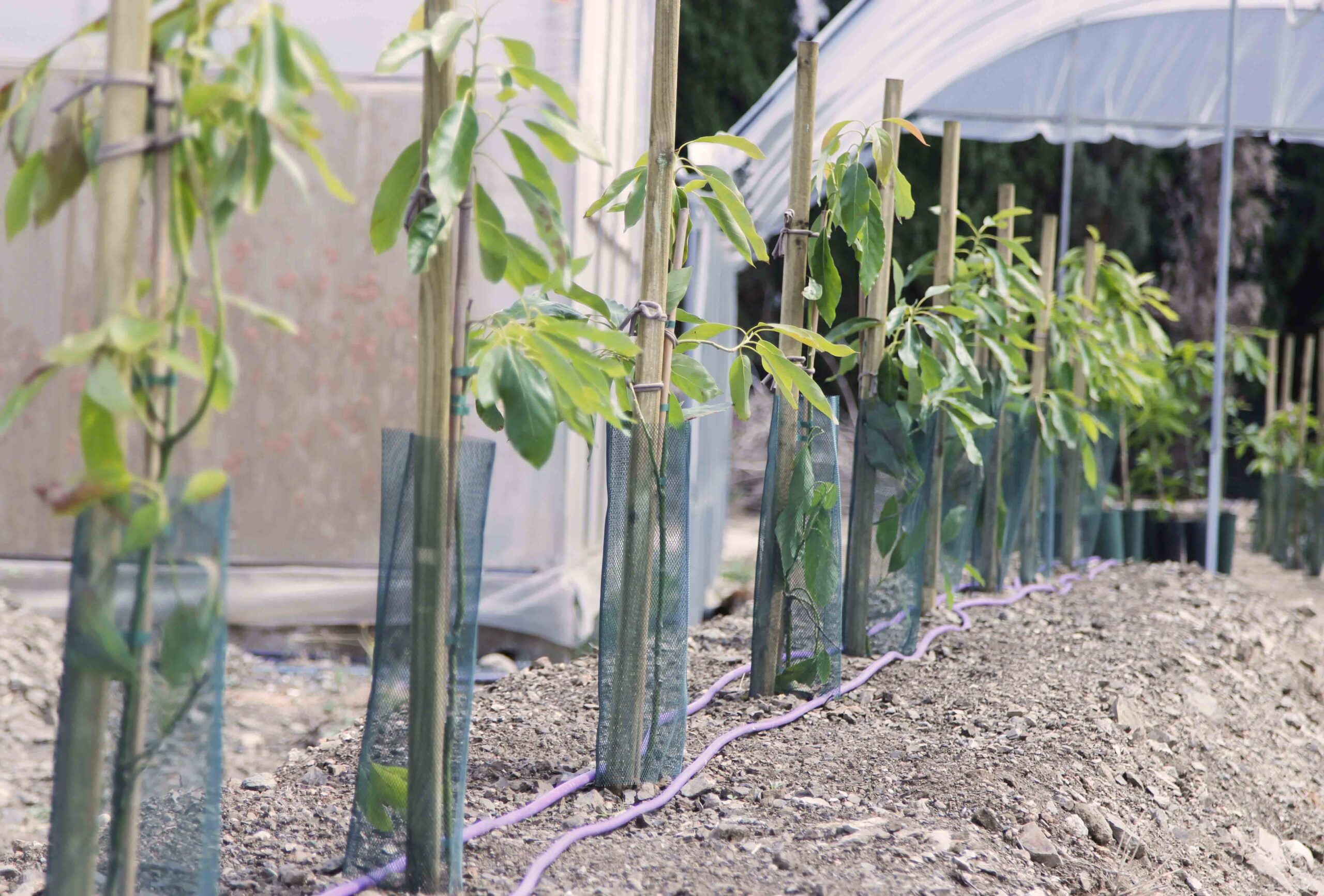
- P2GREEN: expansion of agronomic studies to key subtropical crops in the region, integrating sensors for more precise and automated nutrient management.
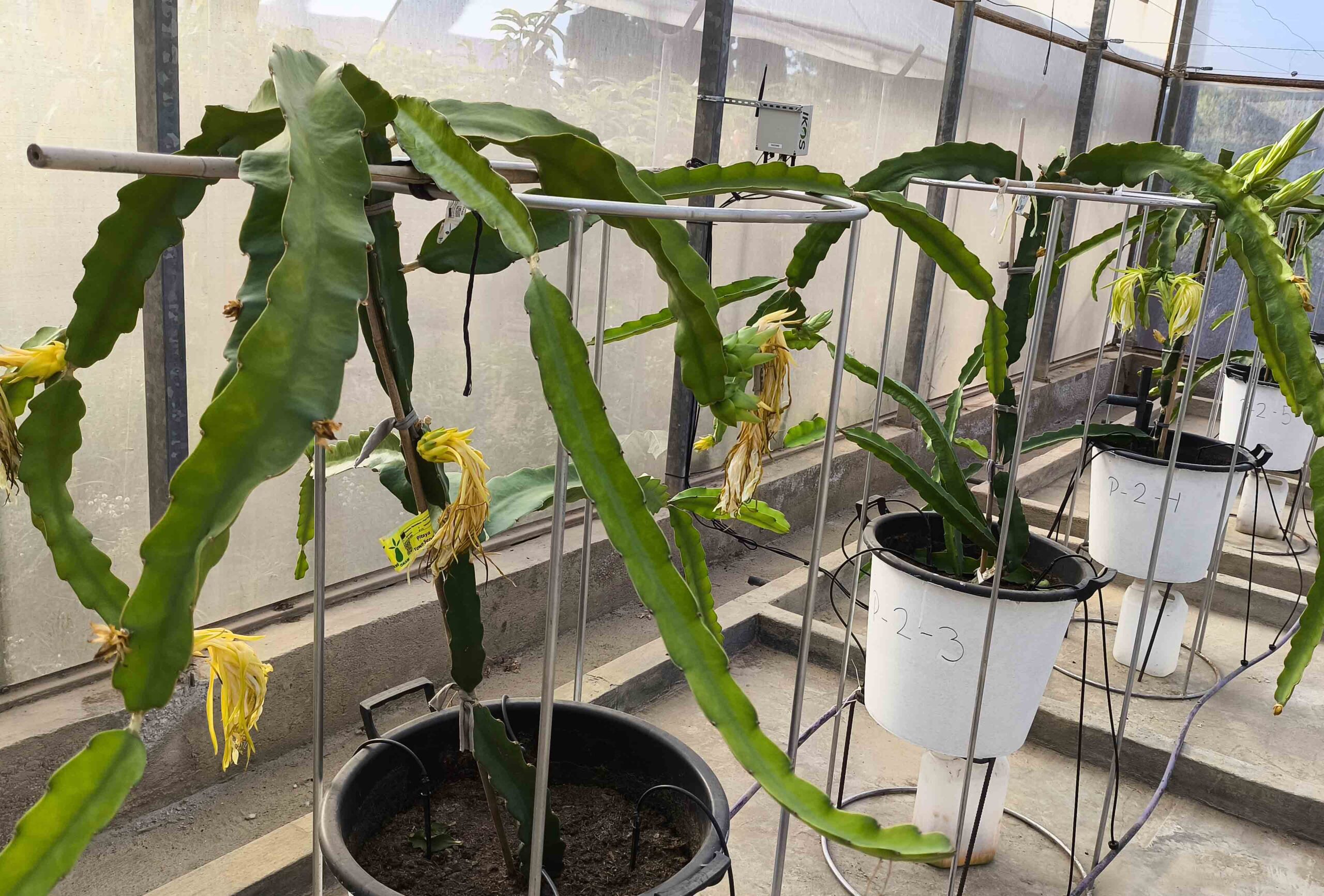
- Axarquía Sostenible Operational Group: research on new crops such as pitaya and passion fruit, incorporating leaf and sap analysis to further optimise sustainable fertilisation practices.
- NOVAFERT: the living lab has been selected as a lighthouse demo site in Andalusia, hosting technical visits and demonstrations focused on the use of reclaimed water as a secondary nutrient source within circular agricultural systems.
A replicable model for water-smart agriculture
The Axarquía Living Lab stands as a tangible example of how innovation, collaboration and real-scale validation can accelerate the transition towards more resilient and sustainable agricultural systems.
Beyond technological advancements, the initiative has generated valuable insights into funding models, governance structures, and the creation of social and environmental benefits, positioning itself as a replicable model for other regions facing similar water challenges.

Horizon Europe Research and Innovation Programme
Grant Agreement No. 101182980
Views and opinions expressed are those of the author(s) only and do not necessarily reflect those of the European Union or the European Research Executive Agency. Neither can be held responsible.