

Matching the Right Crop with the Right Soil
The success of a crop begins long before the first seed is planted. It starts with a key question: Is this soil truly suited to the crop?
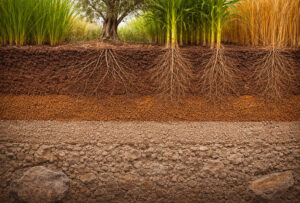
Soil is a complex and multidimensional system that plays a central role in crop performance. Its physical, chemical, and biological properties directly influence plant growth. Characteristics such as soil texture (sandy, loamy, or clay-rich), structure, depth, pH, nutrient availability, and organic matter content determine how well a crop can develop and produce.
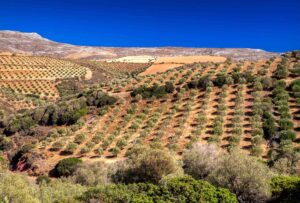
Different crops have distinct requirements, making proper matching essential. For example, olive trees are well adapted to well-drained, relatively poor soils and can tolerate dry conditions, making them suitable for Mediterranean regions. In contrast, crops such as rice require soils with high water retention. These differences highlight how productivity depends on how closely soil properties align with crop needs.
Achieving this alignment requires a clear understanding of the interactions between soil properties, moisture, and climate. Farmers’ experience and familiarity with their soils remain an invaluable advantage in selecting and managing crops effectively.
Seasonal conditions also play an important role. Each crop has specific requirements in terms of temperature, moisture, and growing period. Even when soil conditions are suitable, cultivating outside the growing season can reduce yields and increase risks. Successful crop selection therefore depends on both soil suitability and seasonal timing.
Advances in data and digital tools are offering new opportunities to improve decision-making. Soil maps, climate data, and farm-level information can be combined to provide more precise, location-specific recommendations. These developments help farmers make better decisions and supporting more efficient and sustainable agricultural practices.
When crops are well matched to soil properties, they perform better and require fewer external inputs such as irrigation and fertilisers. This leads to greater efficiency, improved soil health, and more sustainable use of agricultural land.
Matching the right crop with the right soil is therefore a fundamental principle for enhancing agricultural productivity and ensuring long-term sustainability.


Horizon Europe Research and Innovation Programme
Grant Agreement No. 101182980
Views and opinions expressed are those of the author(s) only and do not necessarily reflect those of the European Union or the European Research Executive Agency. Neither can be held responsible.