

What are the main challenges facing smallholder farmers today?
What changes are needed in current policies and support measures?
What do policymakers need to better understand and design more effective policies?
These were the central questions at Crop-MATCHING first European Policy Exchange, held on 9 September 2026 at CIHEAM MAICh in Chania, Greece, in a hybrid format.
The event brought together more than 50 participants from all 13 Crop-MATCHING partner countries, including policymakers, regional and local authorities, cooperatives and agricultural organisations, researchers, advisors and project partners.
Among the organisations represented were the Hellenic Agricultural Research and Knowledge and Innovation Transfer Organisation (ELGO-DIMITRA), the Region of Crete, the Geotechnical Chamber of Greece, the National Union of Agricultural Cooperatives of Greece, Regione Emilia-Romagna – Italy, the Norwegian Institute of Bioeconomy Research (NIBIO), the Aristotle Univ. of Thessaloniki, the Univ. of Parma, the Univ. of Palermo, Izmir Metropolitan Municipality-Turkey, Ege University, the Newcastle University, and many others.
The exchange provided a valuable platform for open dialogue on the realities of smallholder farming and its contribution not only to food production and rural economies and societies, but also to biodiversity, landscapes, local knowledge, cultural heritage and the identity of rural territories. Beyond sharing experiences and identifying key challenges, the discussion generated actionable recommendations and policy-relevant insights, contributing to the ongoing policy dialogue on how policies and support measures can better respond to the diverse needs of smallholder farmers and create a more enabling environment for their long-term resilience and viability.
The discussion highlighted the importance of thinking in terms of territories and place. Local knowledge, traditional practices and products connected with a particular landscape can be important sources of value and identity. Agriculture, food and territory are often closely connected: distinctive local products can support rural economies, strengthen local identity and create links with tourism and other sectors. For Crop-MATCHING, this means that matching crops should also be about matching opportunities with place: local resources and knowledge, consumer demand, markets, processing capacity, food traditions and territorial identity.
Think territories, local knowledge and products
Cooperation emerged as a key message. Communities of small producers, cooperatives and producer organisations can help overcome the limitations faced by individual farms by improving access to knowledge, services, finance, technology and markets. Speakers also highlighted the value of local spaces that bring farmers together with advisors, researchers, businesses, authorities and consumers, creating an enabling environment for collective action, innovation and the long-term viability of smallholder farming.
Cooperation can turn small scale into collective strength
Participants called for practical tools and more proportionate support. Small, targeted investments can make a significant difference when they respond to locally identified needs and are organised around producer communities. Support is also needed beyond production itself: processing, storage, packaging, branding, data, digital tools and short food/value chains can help small producers turn production into viable market opportunities. The discussion also stressed the importance of creating a vision and defining actions and providing tools (including investment opportunities) at territorial level.
Small investments, practical tools and real opportunities
The Policy Exchange concluded with a strong call to move beyond one-size-fits-all approaches. A clear message emerged: small farms should not be defined or supported by land size alone. Policies need to recognize different farm types and the economic, social, environmental and territorial conditions in which they operate. There is no single route to success for smallholder farming. What works in one territory may not work in another. Future policies should therefore be simpler, differentiated, locally grounded and designed with farmers’ communities.
No single route to success
The ideas and experiences shared in Chania will contribute to Crop-MATCHING’s Policy and Governance Needs Analysis and to the project’s future policy recommendations and roadmap. The policy dialogue will continue with a second European Policy Exchange in Italy.
Think small first. Think local. Work together. Create opportunities.
-
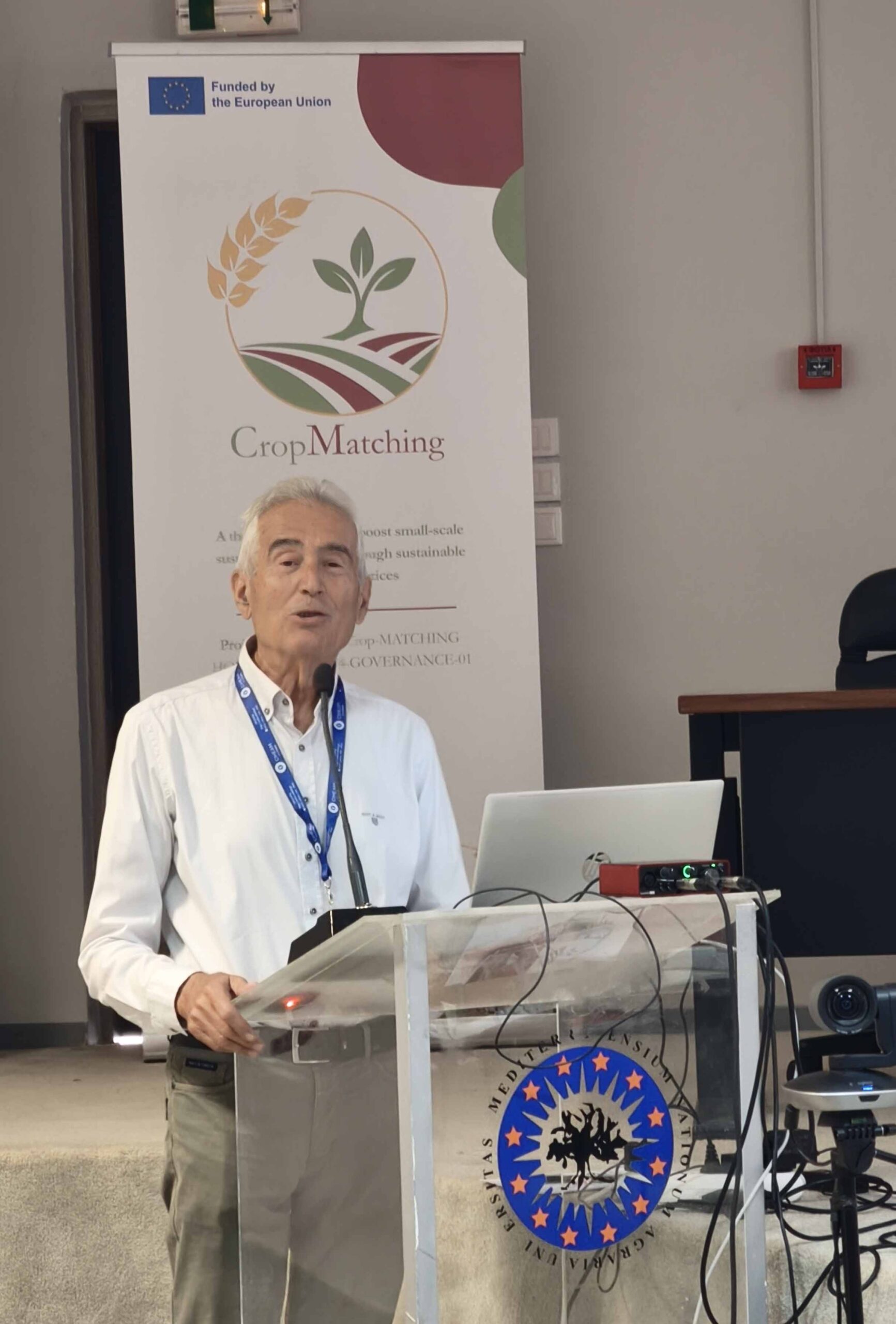
- Konstandinos Mattas
-
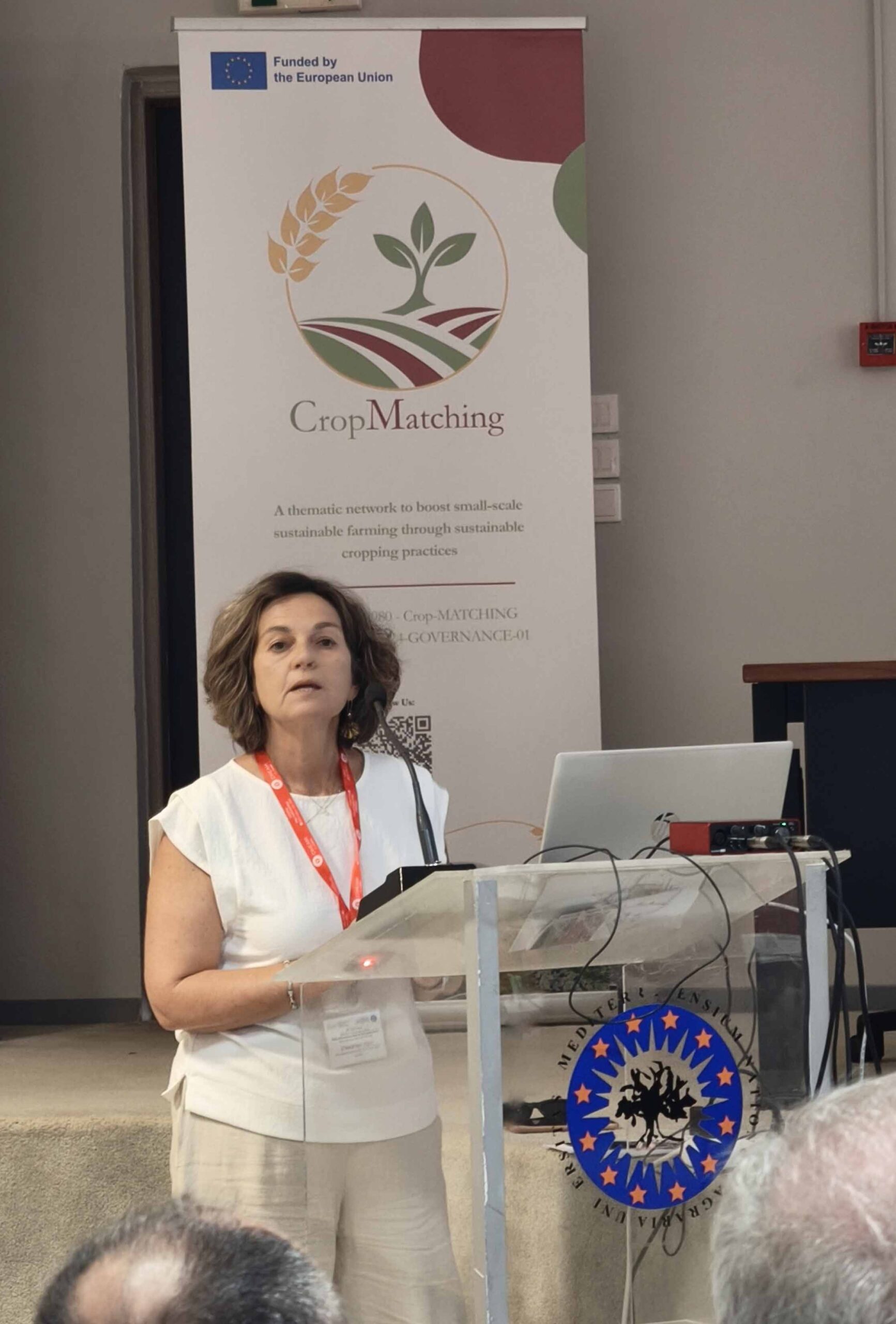
- Eleni Stamataki
-
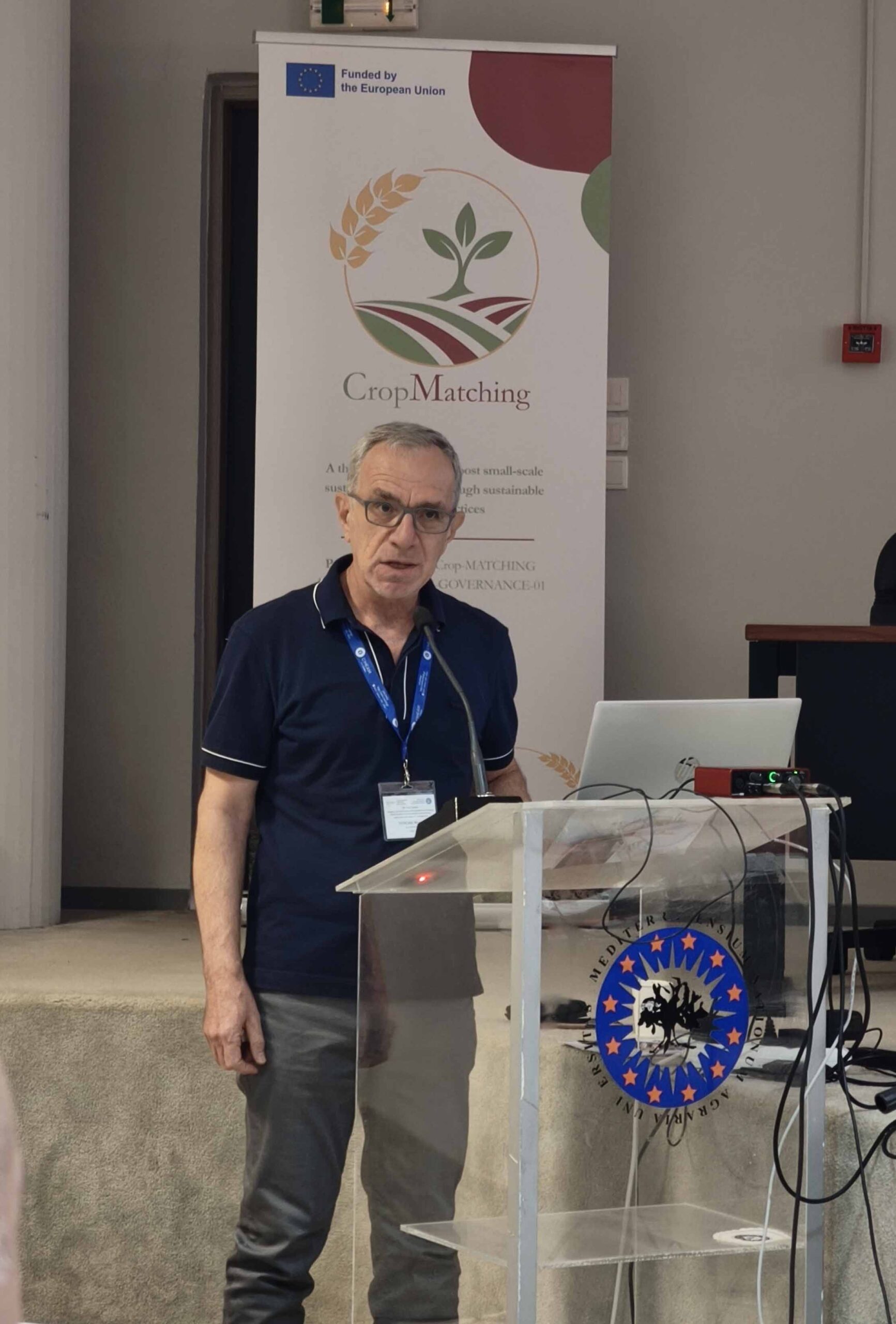
- Murat Yerkan

Horizon Europe Research and Innovation Programme
Grant Agreement No. 101182980
Views and opinions expressed are those of the author(s) only and do not necessarily reflect those of the European Union or the European Research Executive Agency. Neither can be held responsible.